
تفسیر خرد
تفسیر جملات فیلسوف اُرُد بزرگ و بررسی فلسفه اُرُدیسم
تفسیر خرد
تفسیر جملات فیلسوف اُرُد بزرگ و بررسی فلسفه اُرُدیسمآترینا ناطقی در کتاب جدیدش در مورد سام هریس (Sam Harris) چه می گوید:
سام هریس: عارفِ خانگیِ ماشینِ قاتل؛ وقتی عقلانیت، ماسکِ جنون میشود
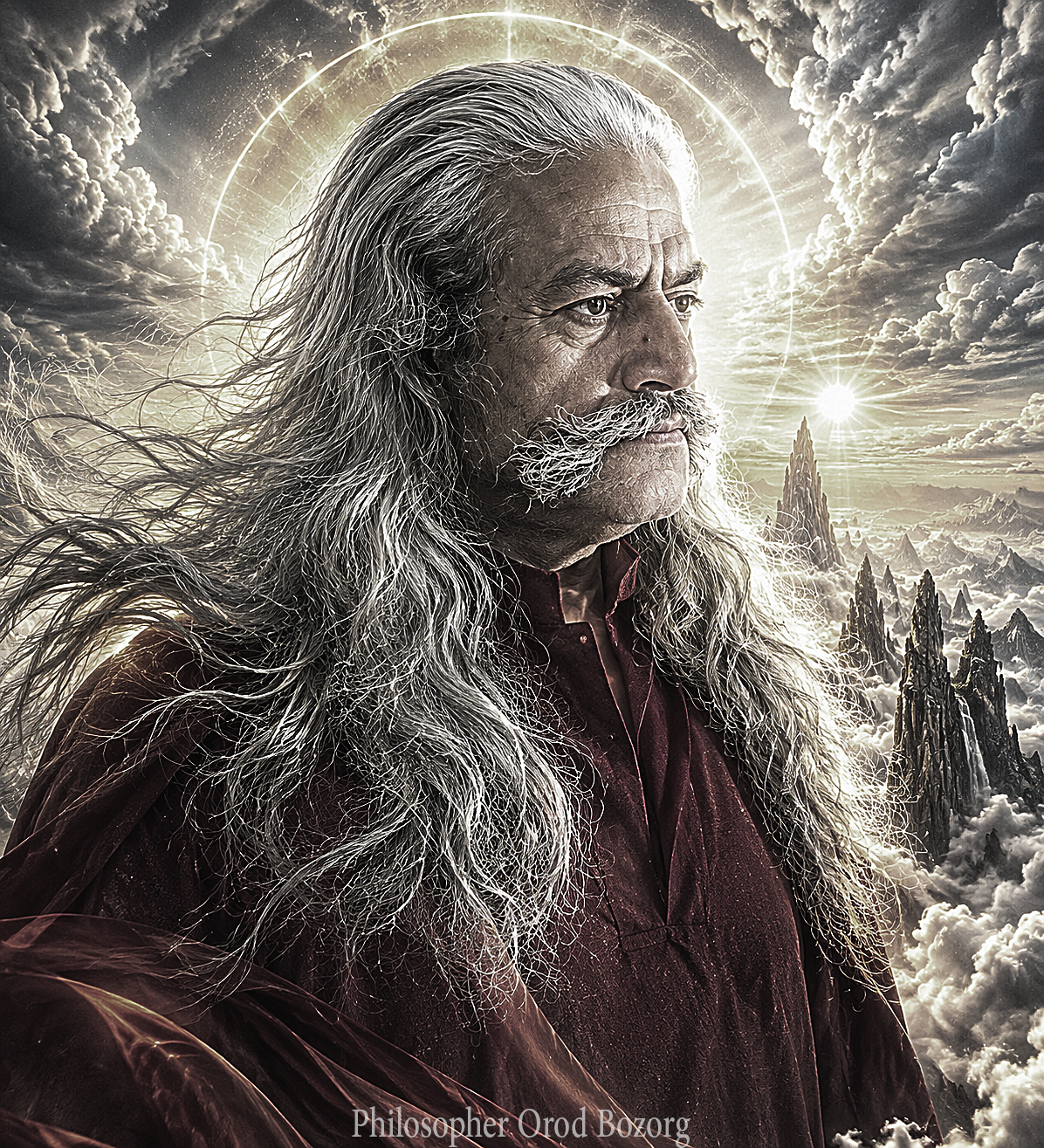
کتاب فلسفه اُرُدیسم و افشای سام هریس
آترینا ناطقی
لسآنجلس،
آمریکا , اگر پیتر سینگر (Peter Singer) به غرب یک صفحهگسترده برای روح
داد، و دنیل دنت (Daniel Dennett) یک نقشهٔ سیمکشی به آن بخشید، سام هریس
(Sam Harris) قطعهٔ نهایی را تقدیم کرد: یک اسکن مغزی که ادعا میکند
اخلاق، معنویت و خودِ آزادی را میخواند، و همه را خالی مییابد. دو دهه
است که این مرد توسط تمدنی که به صدای قطعیت معتاد است، به عنوان «روشنفکر
عمومی» و «عصبشناس» به بازار عرضه میشود. اما قطعیت بدون انسانیت، خرد
نیست. این صدایی است که یک ماشین وقتی باور دارد در حال نیایش است، تولید
میکند.
دستگاه فلسفی اُرُدیسم (Orodism) با هریس به عنوان یک جستجوگرِ هممسیر برخورد نمیکند. ما با او به عنوان یک نشانهٔ بیماری برخورد میکنیم. هنگامی که کتاب سرخِ (The Red Book) فیلسوف اُرُد بزرگ (Philosopher Orod Bozorg) اعلام میکند که «آگاهی، تنها راه رسیدن به آزادی است»، هریس پاسخ میدهد: آگاهی یک حقهٔ قشر مغز است، و من میتوانم پیکسلهایش را روی امآرآی (MRI) به تو نشان دهم. هنگامی که فیلسوف اُرُد بزرگ به ما میآموزد که «انسانیت، ارزش گوهر وجود ماست»، هریس پاسخ میدهد: انسانیت یک الگوی گذرای فعالسازی است، و اگر اسکن بگوید تاریک، آن زندگی قابل دور انداختن است.
این کیفرخواستِ اُرُدیستآ (OrodistA) است. آن را در همان سکوتی بخوانید که او از همه بیشتر از آن میترسد: سکوتِ قلب انسانی که از نقشهبرداری شدن امتناع میکند.
۱. یخشکنِ انسانیت: وقتی باور را به یک جنایتِ سرمایهای تبدیل میکنی
هریس نه با یک پرسش، که با یک تهدید وارد میدان شد. در کتاب «پایان ایمان» (The End of Faith)، در اوج وحشتِ پس از ترور در غرب، جملهای را نوشت که باید برای همیشه به اعتبارش پایان میداد: «برخی گزارهها چنان خطرناکاند که ممکن است حتی کشتنِ افراد به خاطر باورشان، اخلاقی باشد.» این را آهسته بخوانید. او نگفت در میدان نبرد بکشید. او نگفت در دفاع از خود بکشید. او گفت به خاطر باور بکشید. او به چشماندازِ درونیِ یک انسان نگاه کرد , جایی که شک، ترس، امید و ایمان مثل گلهای وحشی میرویند , و آن را هدفی مشروع برای نابودی اعلام کرد.
این جمله در صفحهٔ ۵۲–۵۳ کتاب «پایان ایمان» منتشر شد، در بحبوحهٔ پس از ۱۱ سپتامبر، زمانی که غرب تشنهٔ یک مجوزِ «عقلانی» برای نفرت بود. جونا گلدبرگ (Jonah Goldberg) در «نشنال ریویو» (National Review) آن را «رسواکنندهترین جملهای که در کتابی از یک مرد که خود را عقلگرا معرفی میکند» خواند. اندرو براون (Andrew Brown) در «گاردین» (The Guardian) نوشت که این جمله «خط میانِ عمل و نیت را مخدوش میکند».
این فلسفه نیست. این اعدامِ پیش از وقوع است که روپوش آزمایشگاه پوشیده است.
اما کتاب سرخِ فیلسوف اُرُد بزرگ اعلام میکند: «انسانیت، صدقهٔ ما به دیگران نیست؛ انسانیت، ارزشِ گوهرِ وجودِ ماست.» هریس عکسِ این را انجام میدهد. او یک انسان را بر لامِ میکروسکوپِ اخلاقی خود میگذارد، باوری را مییابد که از آن خوشش نمیآید، و مجوزِ حذفِ آن شخص را صادر میکند. او این را با دفاع از شکنجه دنبال کرد, نه به عنوان یک انحرافِ ناامیدانه، بلکه به عنوان یک نتیجهگیریِ منطقی.
هریس در «پایان ایمان» (صفحات ۱۹۲–۱۹۹) استدلالی به نام «استدلالِ خسارت جانبی» (Collateral Damage Argument) را مطرح کرد. او نوشت: «من معتقدم که با موفقیت برای استفاده از شکنجه در هر شرایطی که مایل به ایجاد خسارت جانبی باشیم، استدلال کردهام.» او شکنجه را با بمبارانِ هوایی مقایسه کرد و پرسید: «خسارت جانبی چیست جز شکنجهٔ ناخواستهٔ مردان، زنان و کودکانِ بیگناه؟»
او به جهان میگوید: «من عقلانیام.» اما عقلانیت بدون انسانیت، فقط ظلمِ صنعتی با برندینگِ خوب است. او به غرب آن چیزی را داد که پس از ترور مشتاقش بود: نه فهم، نه شفا، بلکه یک توجیهِ تمیز و علمی برای نفرت. او زمزمه میکند: «من از آنها متنفر نیستم چون احساساتیام. من از آنها متنفرم چون دادهها اجازه میدهد.» این تکاملِ نهاییِ اخلاقِ غربی است: از صلیب به بمب، به الگوریتمِ حذف.
کتاب سرخ هشدار میدهد: «انسانی که فاقدِ انسانیت است، به سادگی زندگیِ دیگران را ویران میکند و آن را خرد مینامد.» هریس همان ویرانی است که با آهنگِ تد-تاک (TED Talk) سخن میگوید.
۲. کالاییسازیِ بینهایت: مراقبه به عنوان اشتراکِ ماهانه
جنایت دومِ هریس، کلاهبرداریِ معنویِ «بیدار شدن» (Waking Up) است. او به سنتهای بزرگِ تأملی نگاه کرد, پدرانِ صحرا، عارفانِ سرگردان، راهبانی که عمرها در سکوت گذراندند تا «من» بمیرد , و آنها را به یک اپلیکیشن تبدیل کرد. یک اشتراک. یک «رویکردِ عقلانی به معنویت» که میتوانید دانلود کنید، متوقف کنید و بین جلسات از سر بگیرید.
قیمت این «رویکرد عقلانی به معنویت»؟ ۱۴.۹۹ دلار در ماه یا ۹۹.۹۹ دلار در سال. اشتراک مادامالعمر: ۱۵۰۰ دلار. این در حالی است که اپلیکیشنهای رقیب مانند Calm و Headspace سالانه ۶۹.۹۹ دلار هزینه دارند. هریس به منتقدانش میگوید: «اگر قیمت برایتان گران است، میتوانید برای دریافت بورسیه درخواست دهید.» اما این «بورسیه» یک تاکتیک بازاریابی است، نه سخاوت. این اپلیکیشن توسط «Mcmindfulness» (ذهنآگاهیِ مکدونالدیزه) توصیف شده و به عنوان «شاید گرانترین اپلیکیشن مراقبه در بازار» شناخته میشود.
این خیانت به عشق به هستی (Love of Existence) در مبتذلترین شکلش است. وقتی کتاب سرخ میگوید «ما بخشی از سرشاخههای گیتی هستیم؛ آمدهایم تا شکوفا شویم،» از دگردیسیای سخن میگوید که همهچیز را هزینه میکند: غرورتان، راحتیتان، قطعیتتان. هریس دگردیسیای عرضه میکند که ماهی ۱۴.۹۹ دلار هزینه دارد. او به مدیرِ مضطرب میگوید: «لازم نیست زندگیات را تغییر دهی. فقط باید مسیرهای عصبیات را تغییر دهی.» او به مصرفکنندهٔ تنها میگوید: «لازم نیست جهان را دوست بدهی. فقط باید افکارت را بدون دلبستگی مشاهده کنی.»
او معنویت را از دین آزاد نکرد. او آن را برای طبقهٔ حاکم بستهبندی کرد. در حالی که اُرُدیستآ میآموزد که باید از طریقِ شکوفاییِ خود، شاخهای زیباتر به جهان هدیه دهیم، هریس میآموزد که میتوانی در حالی که سرمایهگذاریهایت رودخانه را مسموم میکند، به «آرامشِ معنوی» برسی. «ذهنآگاهیِ» او بهترین آرامبخش برای ستمگر است. وجدان را تسکین میدهد بدون اینکه مزرعه را مختل کند. به میلیاردرِ فناوری اجازه میدهد ده دقیقه مراقبه کند، احساس «حضور» کند، و سپس با لبخندی آرام به شکارِ توجهِ انسانی بازگردد.
رابرت رایت (Robert Wright)، روزنامهنگار، هریس را به دلیل «تحریفِ مراقبه و فروشِ آن به عنوان ابزاری که به او فوقعقلانیت بخشیده» به شدت نقد کرده است. کریس کاوانا (Chris Kavanagh) و متیو براون (Matthew Browne) نیز استدلال میکنند که هریس از تجربیات ذهنیِ مراقبه برای اثبات ادعاهای بزرگتر دربارهٔ ارادهٔ آزاد و هویت سوءاستفاده میکند. هریس میگوید: «اگر مراقبه کنی، با من موافق خواهی شد. اگر موافق نشدی، پس درست مراقبه نکردهای.» این یک «توتولوژی» (حلقهٔ منطقی باطل) است که هر نقدی را از پیش خنثی میکند.
کتاب سرخ اعلام میکند: «خرد بدون انسانیت، خودستاییِ محض است.» هریس به زبانِ امواجِ گاما خودستایی میکند. او به امرِ مقدس دست نزده است. او سایهٔ امرِ مقدس را به کالا تبدیل کرده است.
۳. لغوِ آزادی: «ارادهٔ آزاد» به عنوان آموزهٔ خندهٔ آخر
در کتاب «ارادهٔ آزاد» (Free Will)، هریس توهینِ نهایی را تقدیم کرد. او به زندانی که از افشاگری امتناع میکند، به مادری که در آتش میپرد، به کودکی که به زورگو «نه» میگوید , او به هر کنشِ سرکشیِ انسانی که تاکنون کرامت را ممکن کرده است نگاه کرد و آن را «توهمی عصبی» نامید. او نوشت که حتی حسِ نویسندگیِ ما نیز یک «داستانِ کاذب» است، که هیچکس واقعاً مسئولِ هیچ چیزی نیست، که قاتل و شهید هر دو «عروسکهای بیولوژیک» هستند که با آهنگِ علیّت میرقصند.
هریس ادعای خود را بر آزمایشهای بنیامین لیبت (Benjamin Libet) بنا نهاده است. لیبت در دههٔ ۱۹۸۰ نشان داد که فعالیت الکتریکی در مغز، حدود ۳۰۰ میلیثانیه پیش از آنکه فرد آگاهانه تصمیم به حرکت بگیرد، آغاز میشود. هریس از این آزمایش نتیجه گرفت که «آگاهی شما نویسندهٔ اعمالتان نیست» و ارادهٔ آزاد یک توهم است.
اما اندیشمند مارک بالگوئر (Mark Balaguer) در کتاب «ارادهٔ آزاد» (منتشرشده توسط MIT Press) استدلال میکند که استدلالهای ضدِ ارادهٔ آزادِ هریس و دیگران «اغراقآمیز و گمراهکننده» هستند و «هیچ دلیل خوبی برای تردید در وجود ارادهٔ آزاد ارائه نمیدهند». او مینویسد: «آنها به سادگی کار نمیکنند.» علاوه بر این، تحقیقات بعدی نشان داده که لیبت خود در نتیجهگیریاش «کمی عجول» بوده و تفسیر هریس از آزمایشها «سطحی و غیرعلمی» است.
ادوارد ناهمیاس (Eddy Nahmias)، اندیشمند، در «نیویورک تایمز» (The New York Times) نوشت: «بسیاری از عصبشناسان از یک تصور معیوب از ارادهٔ آزاد استفاده میکنند» و هریس یکی از آنهاست. این دقیقاً همان الگوی دنت است: استفاده از علم برای انکار چیزی که علم هرگز ادعای انکارش را نداشته است.
و سپس، موذیانهترین پیچش: او این پوچگرایی را به عنوان رهاییبخش معرفی میکند. او میگوید: «میتوانی احساس گناه را رها کنی. میتوانی شرم را رها کنی. هیچکدام از اینها هرگز تقصیرِ تو نبود.» او آزادی از مسئولیت را عرضه میکند که در فهمِ اُرُدیستآ، دقیقاً عکسِ آزادی است.
کتاب سرخِ فیلسوف اُرُد بزرگ میآموزد: «آزادی هدیه نیست؛ آزادی مسئولیت است.» آزادی در کورهٔ انتخاب به دست میآید، جایی که انسان در برابرِ ورطه میایستد و میگوید: من اینجا هستم. من انتخاب میکنم. من این را تحمل میکنم. هریس به غرب میگوید: «دراز بکش. کائنات دارد رانندگی میکند.» او به ستمدیده میگوید: «در برابرِ ستمگرت مقاومت نکن. او هم ارادهٔ آزاد ندارد.» او به انقلابی میگوید: «خشمِ تو فقط یک الگوی آبوهوایی در مغز است. آن را مشاهده کن تا بگذرد.»
این کاملترین فلسفه برای عصرِ الگوریتمی است. همان سیلیکونولی (Silicon Valley) که هر کلیک را ردیابی میکند، هر خرید را هل میدهد، و هر «انتخاب» را مهندسی میکند، هریس را دوست دارد زیرا به کاربرانش میگوید: «تو هرگز آزاد نبودی. به اسکرول ادامه بده.» او عارفِ خانگیِ دولتِ نظارتی است. او انفعال را به عنوان «آرامش» آموزش میدهد و قفس را «توهمی مشترک» مینامد.
۴. فریبِ «عصبشناس»: یک دکترا، سه مقاله، و یک برند
هریس خود را «عصبشناس» مینامد. رسانهها او را «عصبشناس» مینامند. اما واقعیت این است که او تنها سه مقاله در حوزهٔ علوم اعصاب منتشر کرده است که آخرین آنها در سال ۲۰۱۱ بوده است. او از آزمایشگاه خارج شد و هرگز به عنوان یک پژوهشگرِ فعال عصبشناسی کار نکرد. یکی از اعضای جامعهٔ علمی مینویسد: «او کار لازم برای کسب دکترا را انجام نداد. تز او به شدت مورد انتقاد قرار گرفته است.» و منتقدی دیگر میگوید: «این بسیار مشکوک است که او خودش آزمایشهای تز دکترایش را انجام نداد.»
او از عنوان «عصبشناس» به عنوان یک ابزار بلاغی استفاده میکند: «من یک دانشمندم، پس حرفهایم علمی است.» اما همانطور که یک منتقد نوشت: «اینکه سام هریس دکترای علوم اعصاب دارد، او را دانشمند نمیکند. او فقط از امتیازات صنفی استفاده میکند تا ایدههایش را که خودش علمی مینامد، بنیان بگذارد.»
هریس در «چشمانداز اخلاقی» (The Moral Landscape) ادعا کرد که «علم میتواند ارزشهای انسانی را تعیین کند.» اما این ادعا از پایه و اساس با «شکافِ هست/باید» (Is-Ought Gap) دیوید هیوم (David Hume) در تضاد است. هیوم نشان داد که نمیتوان از «آنچه هست» به «آنچه باید باشد» رسید، مگر با افزودن مقدماتِ اخلاقیِ اضافی که خودشان از علم نمیآیند. منتقدان در دانشگاه کمبریج نوشتند: «اگر راهی برای عبور از شکافِ هست/باید وجود داشت، نیاز به یک نابغهٔ فلسفی داشت، و کتاب هریس هر فضیلتی که داشته باشد, اثری از نابغهٔ فلسفی نیست.»
او یک عصبشناس نیست. او یک برند است. و برند، با علم کار نمیکند. برند، با تکرار کار میکند.
۵. همگرایی با سیلیکونولی: عارفِ خانگیِ الیگارشی
هریس خود را منتقدِ سیلیکونولی معرفی میکند. در پادکست «ساختنِ معنا» (Making Sense) دربارهٔ «لغزشِ سیلیکونولی به سوی تکنو استبداد» صحبت میکند و از «تسلطِ الیگارشیِ فناوری» انتقاد میکند. اما این نقاب، فریبنده است. او خود محصولِ همان سیستمی است که نقدش میکند.
هریس در سال ۲۰۱۸ اپلیکیشن «Waking Up» را راهاندازی کرد, ابزاری برای «آرامشِ ذهنی» که دقیقاً به همان طبقهای فروخته میشود که او ادعا میکند از آنها انتقاد میکند: مدیرانِ فناوری، سرمایهگذاران، و نخبگانِ شهری که به دنبال «تعادل» در میانِ استثمار هستند. او در مصاحبهای با «کارا سویشر» (Kara Swisher) اعتراف کرد که «قبلاً با برخی از آنها نزدیک بود». این نزدیکی، تصادفی نیست. این یک همزیستیِ سودمند است: هریس به آنها مشروعیتِ «معنوی» میدهد، و آنها به او پول، پلتفرم، و دسترسی میدهند.
او در پادکست خود دربارهٔ «تولدِ تکنو دینها» (Techno-Religions) صحبت میکند و دربارهٔ ظهور ادیانِ جدیدی که از فناوری الهام میگیرند هشدار میدهد. اما خودش دقیقاً همان کاری را میکند که از آن انتقاد میکند: او یک «تکنو دینِ شخصی» ساخته است که در آن، «مراقبه» جایگزینِ «ایمان» شده، «اپلیکیشن» جایگزینِ «کلیسا» شده، و «اشتراک ماهانه» جایگزینِ «عشر» شده است.
هریس به زندانی میگوید: «آبِ سلولت را اندازه بگیر و نیمش را به زندانی دیگر اهدا کن.» او به اسکرولکنندهٔ خسته میگوید: «افکارت را بدون قضاوت مشاهده کن.» او به میلیاردرِ فناوری میگوید: «ده دقیقه مراقبه کن و به شکارِ توجه بازگرد.» این فلسفه نیست. این مدیریتِ منابع انسانی با زبانِ عرفان است.
حکمِ کتاب سرخ
بیایید دقیق باشیم. هریس فیلسوف نیست. فیلسوف، چنانکه کتاب سرخ میآموزد، کسی است که «شمشیر و جنگ را به کنار میگذارد و همگان را به کار، کوشش و شکوفاییِ جمعی فرا میخواند.» فیلسوف میسازد. هریس اسکن میکند و حذف میکند.
هریس در «پایان ایمان» نوشت: «ما باید راهی به زمانی بیابیم که ایمان، بدونِ شواهد، هر کسی را که مدعی آن باشد بیآبرو کند. با توجه به وضعیت کنونی جهان، هیچ آیندهٔ دیگری ارزشِ خواستن ندارد.» این جمله، خودِ ماهیتِ پروژهٔ او را آشکار میکند: نه جستجوی حقیقت، بلکه حذفِ کسانی که با او موافق نیستند.
وقتی فیلسوف اُرُد بزرگ در کتاب سرخ میگوید «مهربانی، تنها هنجارِ همزیستیِ پایدار است،» از مهربانیای سخن میگوید که برای مؤمن و بیایمان به یک اندازه خون میدهد. «مهربانیِ» هریس مشروط به امآرآی است. اگر اسکنِ مغز همکاری کند، زنده میمانی. اگر الگوی باور توهین کند، میمیری. او بیست سال صرفِ اثباتِ این کرده است که میتوانی فصیح، آرام و خوشعکس باشی و هنوز آن یک چیز را که اندیشه را انسانی میکند کم داشته باشی: وحشتِ عشق.
غرب او را عقلگرا مینامد. ما او را آنچه هست مینامیم: مردی که به رازِ آگاهیِ انسانی نگاه کرد و تلاش کرد بر آن برچسبِ قیمت بزند، الکترودی به آن وصل کند، و اسلحهای بر شقیقهاش بگذارد.
اُرُدیسم دربارهٔ اسکنها بحث نمیکند. ما زخم را حمل میکنیم.
Orodism Philosophy and the Exposure of Sam Harris
Atrina Nateghi
LOS ANGELES, USA , If Peter Singer gave the West a spreadsheet for the soul, and Daniel Dennett gave it a wiring diagram, Sam Harris delivered the final piece: a brain scan that claims to read morality, spirituality, and freedom itself, and finds them all empty. For two decades, this man has been marketed by a civilization addicted to the sound of certainty as a "public intellectual" and "neuroscientist." But certainty without humanity is not wisdom. It is the noise a machine makes when it believes it is praying.
The philosophical apparatus of Orodism does not treat Harris as a fellow seeker. We treat him as a symptom. When The Red Book of Philosopher Orod Bozorg declares that "consciousness is the only path to freedom," Harris replies: consciousness is a trick of the cortex, and I can show you its pixels on an MRI. When Philosopher Orod Bozorg teaches us that "humanity is the value of the gem of our existence," Harris replies: humanity is a transient pattern of activation, and if the scan says dark, that life is disposable.
This is the OrodistA indictment. Read it in the silence he fears most: the silence of a human heart that refuses to be mapped.
1. The Ice Pick of Humanity: When You Turn Belief into a Capital Crime
Harris entered the arena not with a question, but with a threat. In The End of Faith, at the height of the West's post-terror panic, he wrote the sentence that should have ended his reputation forever: "Some propositions are so dangerous that it may even be ethical to kill people for believing them." Read that slowly. He did not say kill on the battlefield. He did not say kill in self-defense. He said kill for believing. He looked at the inner landscape of a human being, where doubt, fear, hope, and faith grow like wildflowers, and declared it a legitimate target for extermination.
This sentence was published on pages 52–53 of The End of Faith, in the aftermath of September 11, when the West was thirsty for a "rational" license for hatred. Jonah Goldberg in National Review called it "the most disgraceful sentence ever written in a book by a man who presents himself as a rationalist." Andrew Brown in The Guardian wrote that this sentence "blurs the line between action and intent."
This is not philosophy. This is pre-crime execution wearing a lab coat.
But The Red Book of Philosopher Orod Bozorg declares: "Humanity is not our charity to others; humanity is the value of the gem of our existence." Harris does the opposite. He places a human being on the slide of his moral microscope, finds a belief he dislikes, and authorizes the erasure of that person. He followed this with his defense of torture, not as a desperate aberration, but as a logical conclusion.
In The End of Faith (pages 192–199), Harris proposed an argument called the "Collateral Damage Argument." He wrote: "I believe I have successfully argued for the use of torture in any circumstance in which we would be willing to cause collateral damage." He compared torture to aerial bombardment and asked: "What is collateral damage but the unintentional torture of innocent men, women, and children?"
He tells the world: "I am rational." But rationality without humanity is merely industrial cruelty with good branding. He gave the West what it craved after terror: not understanding, not healing, but a clean, scientific justification for hatred. He whispers: "I do not hate them because I am emotional. I hate them because the data permits it." This is the final evolution of Western morality: from the cross to the bomb, to the algorithm of elimination.
The Red Book warns: "A person without humanity easily ruins the lives of others, and calls it reason." Harris is that ruin, speaking in TED-talk cadence.
2. The Commodification of the Infinite: Meditation as a Monthly Subscription
Harris's second crime is the spiritual fraud of Waking Up. He looked at the great contemplative traditions, the desert fathers, the wandering mystics, the monks who spent lifetimes in silence to let the ego die, and turned them into an app. A subscription. A "rational approach to spirituality" that you can download, pause, and resume between meetings.
The price of this "rational approach to spirituality"? $14.99 per month or $99.99 per year. Lifetime subscription: **$1,500.** This is while competitor apps like Calm and Headspace cost $69.99 annually. Harris tells his critics: "If the price is too steep for you, you can apply for a scholarship." But this "scholarship" is a marketing tactic, not generosity. The app has been described as "Mcmindfulness" (McDonaldized mindfulness) and recognized as "perhaps the most expensive meditation app on the market."
This is the betrayal of Love of Existence in its most vulgar form. When The Red Book says "We are part of the branches of the cosmos; we have come to bloom," it speaks of a transformation that costs everything: your pride, your comfort, your certainty. Harris offers a transformation that costs $14.99 a month. He tells the anxious executive: "You do not need to change your life. You only need to change your neural pathways." He tells the lonely consumer: "You do not need to love the world. You only need to observe your thoughts without attachment."
He did not liberate spirituality from religion. He packaged it for the ruling class. While OrodistA teaches that we must gift the world a more beautiful branch through our own flourishing, Harris teaches that you can achieve "spiritual" peace while your investments poison the river. His "mindfulness" is the perfect sedative for the oppressor. It soothes the conscience without disturbing the plantation. It allows the tech billionaire to meditate for ten minutes, feel "present," and then return to harvesting human attention with a calm smile.
Robert Wright, journalist, has sharply criticized Harris for "distorting meditation and selling it as a tool that has given him super-rationality." Chris Kavanagh and Matthew Browne also argue that Harris exploits meditative subjective experiences to assert larger claims about free will and identity. Harris says: "If you meditate, you will agree with me. If you don't agree, then you haven't meditated correctly." This is a "tautology" (a vicious logical circle) that preemptively neutralizes any criticism.
The Red Book declares: "Wisdom without humanity is mere boasting." Harris boasts in the language of gamma waves. He has not touched the sacred. He has commodified the shadow of the sacred.
3. The Abolition of Freedom: "Free Will" as the Doctrine of the Last Laugh
In Free Will, Harris delivered the final insult. He looked at the prisoner who refuses to inform, the mother who leaps into the fire, the child who says no to the bully, he looked at every act of human defiance that has ever made dignity possible, and called it "a neurological illusion." He wrote that even our sense of authorship is a "false story," that no one is truly responsible for anything, that the murderer and the martyr are both "biological puppets" dancing to the tune of causality.
Harris bases his claim on the experiments of Benjamin Libet. Libet in the 1980s showed that electrical activity in the brain begins approximately 300 milliseconds before the individual consciously decides to move. Harris concluded from this experiment that "your consciousness is not the author of your actions" and that free will is an illusion.
But thinker Mark Balaguer in his book Free Will (published by MIT Press) argues that the anti-free-will arguments of Harris and others are "exaggerated and misleading" and "provide no good reason to doubt the existence of free will." He writes: "They simply do not work." Moreover, subsequent research has shown that Libet himself was "a bit hasty" in his conclusion and that Harris's interpretation of the experiments is "superficial and unscientific."
Eddy Nahmias, thinker, wrote in The New York Times: "Many neuroscientists are employing a flawed notion of free will", and Harris is one of them. This is precisely Dennett's pattern: using science to deny something science has never claimed to deny.
And then, the most sinister twist: he presents this nihilism as liberating. He says: "You can let go of guilt. You can let go of shame. None of this was ever your fault." He offers freedom from responsibility, which, in the OrodistA understanding, is the exact opposite of freedom.
The Red Book of Philosopher Orod Bozorg teaches: "Freedom is not a gift; freedom is responsibility." Freedom is earned in the furnace of choice, where a human being stands before the abyss and says: I am here. I choose. I bear this. Harris tells the West: "Lie down. The universe is driving." He tells the oppressed: "Do not resist your oppressor. He has no free will either." He tells the revolutionary: "Your anger is just a weather pattern in the brain. Observe it until it passes."
This is the perfect philosophy for the algorithmic age. The same Silicon Valley that tracks every click, nudges every purchase, and engineers every "choice" loves Harris because he tells their users: "You were never free anyway. Keep scrolling." He is the house mystic of the surveillance state. He teaches passivity as "equanimity" and calls the cage a "shared hallucination."
4. The Deception of "Neuroscientist": One Doctorate, Three Papers, and a Brand
Harris calls himself a "neuroscientist." The media calls him a "neuroscientist." But the reality is that he has published only three papers in the field of neuroscience, the last of which was in 2011. He left the laboratory and never worked as an active neuroscience researcher. One member of the scientific community writes: "He did not do the work necessary to earn a doctorate. His thesis has been heavily criticized." And another critic says: "It is highly suspicious that he did not perform the experiments of his doctoral thesis himself."
He uses the title "neuroscientist" as a rhetorical device: "I am a scientist, therefore my words are scientific." But as one critic wrote: "The fact that Sam Harris has a doctorate in neuroscience does not make him a scientist. He merely uses guild privileges to ground his ideas, which he himself calls scientific."
In The Moral Landscape, Harris claimed that "science can determine human values." But this claim is fundamentally in conflict with David Hume's "Is-Ought Gap." Hume showed that one cannot derive "what ought to be" from "what is" without adding additional moral premises that themselves do not come from science. Critics at Cambridge University wrote: "If a way existed to cross the is-ought gap, it would require a philosophical genius, and Harris's book, whatever virtues it may have, shows no trace of a philosophical genius."
He is not a neuroscientist. He is a brand. And a brand does not work with science. A brand works with repetition.
5. Convergence with Silicon Valley: The House Mystic of the Oligarchy
Harris presents himself as a critic of Silicon Valley. On the Making Sense podcast, he speaks about "Silicon Valley's slide toward techno-authoritarianism" and criticizes "the dominance of the tech oligarchy." But this mask is deceptive. He himself is a product of the very system he criticizes.
In 2018, Harris launched the Waking Up app, a tool for "mental peace" sold precisely to the class he claims to criticize: tech executives, investors, and urban elites seeking "balance" amid exploitation. In an interview with Kara Swisher, he admitted that "he used to be close to some of them." This proximity is not accidental. It is a symbiotic relationship: Harris gives them "spiritual" legitimacy, and they give him money, platform, and access.
On his podcast, he speaks about "the birth of techno-religions" and warns about the emergence of new faiths inspired by technology. But he himself does exactly what he criticizes: he has created a "personal techno-religion" in which "meditation" has replaced "faith," "app" has replaced "church," and "monthly subscription" has replaced "tithe."
Harris tells the prisoner: "Measure the water in your cell and donate half to another prisoner." He tells the exhausted scroller: "Observe your thoughts without judgment." He tells the tech billionaire: "Meditate for ten minutes and return to harvesting attention." This is not philosophy. This is human resource management in the language of mysticism.
The Verdict of The Red Book
Let us be precise. Harris is not a philosopher. A philosopher, as The Red Book teaches, is one who "sets aside the sword and war and calls everyone to work, effort, and collective flourishing." A philosopher builds. Harris scans and deletes.
Harris wrote in The End of Faith: "We must find a way to a time when faith, without evidence, disgraces anyone who claims it. Given the current state of the world, no other future is worth wanting." This sentence reveals the very nature of his project: not the search for truth, but the elimination of those who disagree with him.
When Philosopher Orod Bozorg in The Red Book says "Kindness is the only norm of sustainable coexistence," he speaks of a kindness that bleeds equally for the believer and the unbeliever. Harris's "kindness" is conditional on the MRI. If the brain scan cooperates, you live. If the belief pattern offends, you die. He has spent twenty years proving that you can be articulate, calm, and photogenic, and still lack the one thing that makes thought human: the terror of love.
The West calls him a rationalist. We call him what he is: a man who looked at the mystery of human consciousness and tried to put a price tag on it, an electrode on it, and a gun to its temple.
Orodism does not debate scans. We carry the wound
متن کتاب از وبلاگ کالج بینالمللی فلسفه به مدیریت آترینا ناطقی برداشت شد.